
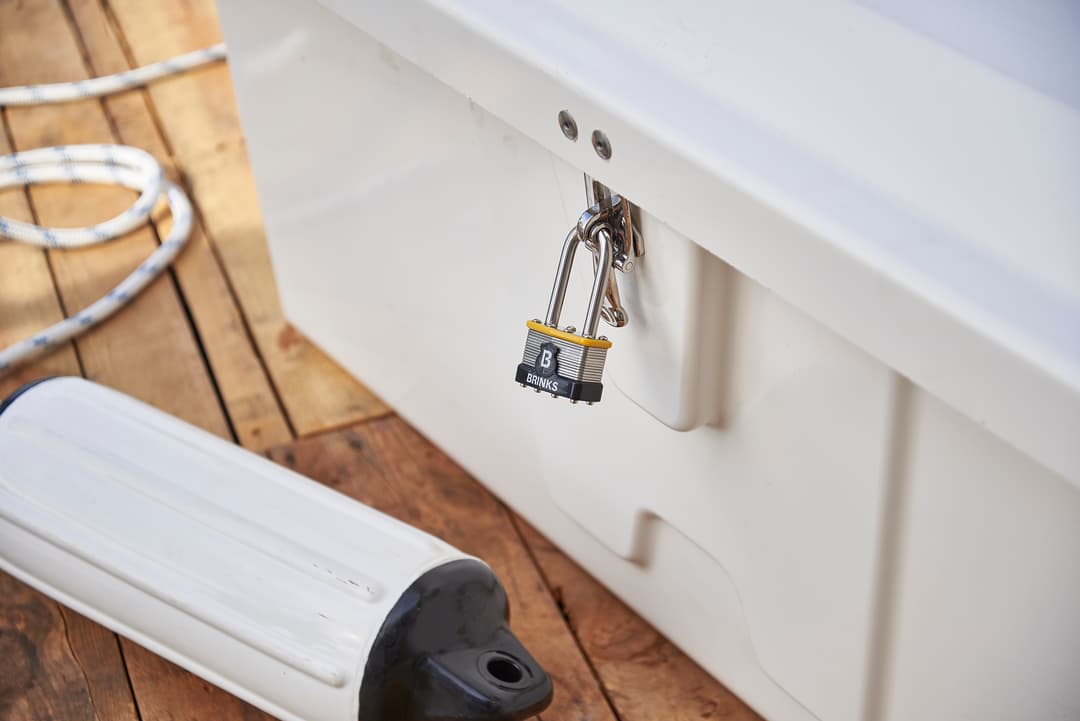
What Makes a Padlock Weather-Resistant?
09/23/26
Whether you're locking a gate, securing a shed, protecting a storage unit, or keeping equipment safe outdoors, choosing the right padlock matters. While many padlocks can be used outside occasionally, not all are designed to withstand months—or years—of exposure to rain, snow, humidity, and changing temperatures.
So what actually makes a padlock weather-resistant? And how do you know which one is right for your environment?
Key Takeaways
- Weather-Resistant Doesn't Mean Weatherproof
- Weather-resistant padlocks are designed to withstand normal outdoor exposure, but no lock is completely immune to moisture, corrosion, or changing weather conditions.
- Materials and Design Matter
- Corrosion-resistant materials, protective finishes, covered keyways, drainage features, and protective body covers can all help a padlock withstand outdoor exposure and maintain reliable operation.
- Choose Based on Your Environment
- The right level of weather resistance depends on where the lock will be used. Occasional outdoor use, year-round exposure, and coastal or saltwater environments have different demands.
Let's take a closer look.
What Does "Weather-Resistant" Mean?
A weather-resistant padlock is designed to continue operating reliably after exposure to moisture, dirt, and changing weather conditions. Unlike indoor locks, outdoor padlocks are built with features that help reduce corrosion, keep water away from critical components, and maintain smooth operation over time.
It's important to understand that weather-resistant does not mean weatherproof.
Even the best outdoor padlock will benefit from periodic maintenance, especially if it's exposed to the elements year-round.
Features That Help a Padlock Resist the Weather
When shopping for an outdoor padlock, look for these key features.
Corrosion-Resistant Materials
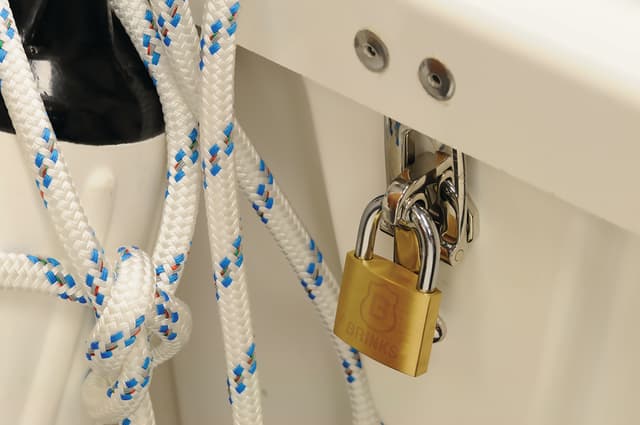
One of the biggest threats to any outdoor lock is corrosion.
Many weather-resistant padlocks use materials or finishes that promote superior weather resistance and protection against rust including:
- Stainless steel components
- Chrome-plated or zinc-coated steel
- Brass lock bodies or internal components
- Protective finishes that help shed moisture
These materials help extend the life of the lock and keep internal parts moving freely.
Covered or Protected Keyway
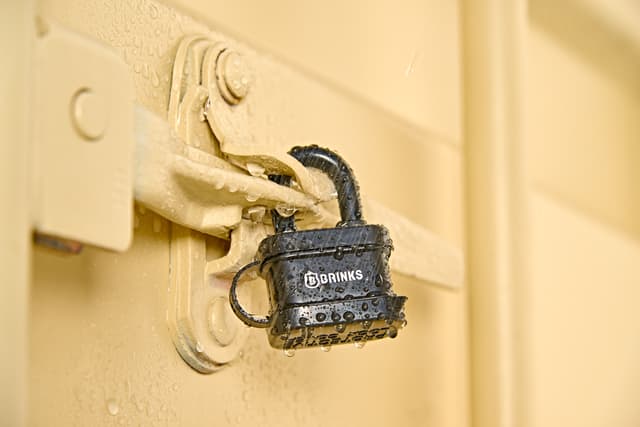
The keyway is where dirt, dust, rain, and insects can enter the lock.
Many outdoor padlocks include:
- Sliding keyway covers
- Rubber keyway caps
- Recessed key openings
These features help reduce contamination that can interfere with smooth key operation.
Weather-Resistant Shackle
The shackle—the U-shaped metal loop—is the part of the lock most exposed to the elements.
Look for shackles made from:
- Hardened steel with corrosion-resistant coatings
- Stainless steel
- Boron alloy steel with protective finishes
These materials help resist both cutting attacks and corrosion.
Drainage Openings
Water sometimes finds its way inside even well-designed locks.
Some weather-resistant padlocks include small drainage paths that allow moisture to escape instead of collecting inside the lock body, reducing the chance of freezing or internal corrosion.
Protective Covers
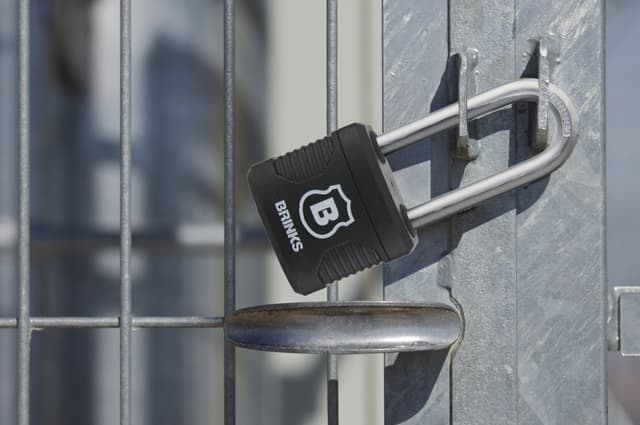
Some outdoor padlocks feature vinyl, rubber, or thermoplastic covers around the lock body.
These covers can:
- Help keep rain off the lock
- Reduce dirt buildup
- Protect nearby surfaces from scratches
- Improve grip when using the lock with wet hands
Not Every Outdoor Environment Is the Same
One of the biggest misconceptions is that every "outdoor" application requires the same level of weather resistance.
The environment makes a big difference.
| Environment | What to Look For | Brinks Product |
|---|---|---|
| Occasional Outdoor Use | A standard weather-resistant padlock with corrosion-resistant materials or finishes to help withstand occasional rain and humidity. A protective keyway or body cover can provide additional protection from dirt and moisture. | 40 mm Laminated Steel Padlock, 162-40001 |
| Frequent Rain or Snow Exposure | A padlock designed for regular exposure to moisture and changing weather conditions. Look for corrosion-resistant materials and protective finishes, along with features such as a covered keyway and drainage openings that help keep moisture away from critical components and allow water to escape. | 50mm Brass Combo Resettable Padlock, 1" Shackle Clearance 661-49001 |
| Long-Term Outdoor Exposure | A padlock designed for extended outdoor use with corrosion-resistant materials, a weather-resistant finish, and keyway protection. Protective body covers and drainage features can also help when the lock is exposed to rain, sun, humidity, and changing temperatures year-round. | 44mm (1-3/4 in.) Laminated Steel Keyed Padlock with Weather-Resistant Cover 642-44052 |
| Coastal & Saltwater Environments | A padlock specifically designed for marine or severe-corrosion environments. Look for corrosion-resistant materials and protective finishes, and plan for more frequent inspection and maintenance. Rinsing the lock with fresh water after salt exposure can also help extend its service life. | 2in. (50mm) Commercial Laminated Steel Keyed Padlock 677-52814 |
Occasional Outdoor Use
Examples include:
- Patio furniture
- Toolboxes
- Bike racks used occasionally
- Portable equipment
These applications may only see occasional rain or humidity. A standard weather-resistant padlock is typically sufficient.
Long-Term Outdoor Exposure
Examples include:
- Garden gates
- Storage sheds
- Fences
- Storage units
- Utility enclosures
These locks remain outside year-round and experience repeated cycles of rain, sun, temperature changes, and humidity. Look for corrosion-resistant materials, keyway protection, and weather-resistant finishes designed for extended outdoor use.
Coastal and Saltwater Environments
Examples include:
- Beach homes
- Marinas
- Boat docks
- Coastal storage facilities
Salt air is much more aggressive than ordinary rain. It can accelerate corrosion—even on high-quality metals.
If your lock will be used near the ocean or exposed to saltwater, choose products specifically designed for marine or severe-corrosion environments whenever possible, and inspect and maintain them regularly. Frequent rinsing with fresh water after salt exposure can also help extend service life.
Can a Padlock Rust?
Yes.
Virtually any metal lock can eventually corrode if exposed long enough to moisture and harsh environmental conditions.
The goal of weather-resistant design is not to make rust impossible—it is to dramatically slow corrosion and help the lock continue operating reliably.
How to Help an Outdoor Padlock Last Longer
Even the best weather-resistant lock benefits from a little routine care.
A few simple maintenance steps can significantly extend its service life:
- Wipe away dirt and debris periodically.
- Keep the keyway free of mud and sand.
- Lubricate the lock occasionally with a lock-specific lubricant with anti-stick PTFE.
- Inspect for corrosion if the lock is exposed year-round.
- Rinse with fresh water after exposure to salt spray or coastal conditions.
Regular maintenance helps keep the locking mechanism operating smoothly and reduces unnecessary wear.
Choosing the Right Outdoor Padlock
Before purchasing a padlock, ask yourself:
- Will it stay outdoors all year?
- Is it exposed to frequent rain or snow?
- Is it located near the ocean?
- Does it protect high-value property?
Answering these questions helps determine the level of weather resistance you need.
A padlock protecting a backyard gate has different requirements than one securing a storage unit or equipment at a marina.
Why Brinks Outdoor Padlocks Are Built for the Elements
Brinks offers a variety of padlocks designed for outdoor applications, with features that help stand up to everyday weather while delivering trusted security.
Depending on the model, Brinks outdoor padlocks may include:
- Corrosion-resistant materials and finishes
- Hardened steel shackles for strength
- Protective keyway covers
- Durable protective body covers
- Designs intended for reliable outdoor performance
By matching the lock to your environment—and performing simple periodic maintenance—you can help ensure dependable security season after season.
Frequently Asked Questions
- What is a weather-resistant padlock?
- A weather-resistant padlock is designed with materials, finishes, and protective features that help reduce corrosion and maintain reliable operation when exposed to rain, humidity, and outdoor conditions.
- Can I leave a padlock outside year-round?
- Many outdoor padlocks are designed for long-term exposure, but performance depends on the environment. Coastal and saltwater locations are especially demanding and require more frequent inspection and maintenance.
- Is weather-resistant the same as waterproof?
- No. Weather-resistant means the lock is designed to withstand normal outdoor exposure. No padlock is completely immune to the effects of weather, especially without occasional maintenance.
- How do I keep my outdoor padlock from rusting?
- Choose a lock designed for outdoor use, keep it clean, lubricate it periodically with a lock-specific lubricant, and inspect it regularly for signs of corrosion. In coastal environments, rinse away salt deposits whenever practical.
- What features should I look for in an outdoor padlock?
- Look for corrosion-resistant materials, a shackle with a protective finish, a covered keyway, drainage features, and protective body covers if the lock will be exposed to the elements.