A Security Guide for Property Managers
How to Secure Rental Properties, Vacant Homes, Short-Term Rentals and Properties Under Renovation
09/23/26
Managing a property means managing more than the front door. Landlords, property managers, short-term rental hosts, and contractors may need to control access to multiple doors while also securing gates, sheds, storage areas, tools, and other entry points.
The right security products can help simplify that job. But different situations call for different types of protection.
A long-term rental may need a durable keyed entry lock. A short-term rental may benefit from a keypad lock that eliminates the need to exchange keys. A vacant property may require a lockbox for authorized access along with security bars to protect vulnerable doors or windows. And a property under renovation may need padlocks for gates, sheds, and tool storage.
This guide explains the different types of Brinks® security products and where they make the most sense.
Start With the Property and Its Access Needs
Before choosing a lock, consider four questions:
- Who needs access?
- How often will access change?
- Which entry points need to be secured?
- Is the property occupied, vacant, or under renovation?
These questions can help determine whether you need a keyed lock, keypad lock, lockbox, padlock, security bar—or a combination of products.
Match the Security Product to the Job
Here's a simple way to think about the Brinks security ecosystem:
1. Secure the Main Entry Door
The front or primary entry door is usually the first place to start.
Brinks offers several options depending on how the property will be used.
Keypad Locks: Convenient Access Without a Physical Key
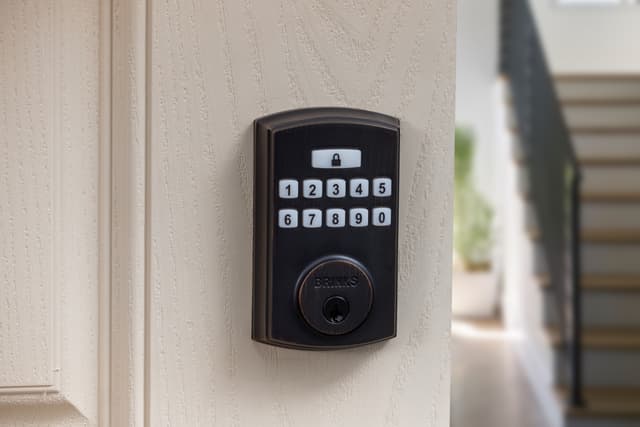
Keypad locks are particularly useful for properties where multiple people need access.
Instead of distributing physical keys, authorized users can enter using a PIN code.
Keypad locks are a good choice for:
- Short-term rentals
- Vacation properties
- Rental homes
- Property managers
- Cleaning and maintenance crews
- Families sharing a property
- Properties with frequent tenant turnover
One major advantage is access management. If a tenant moves out or a service provider no longer needs access, the code can be changed rather than collecting and replacing physical keys.
Brinks keypad locks also provide a traditional key override, giving property managers a backup method of entry.
Keep in mind: Keypad locks are battery powered, so batteries need to be monitored and replaced periodically.
2. Keyed Entry Knobs and Levers: Simple, Familiar Security
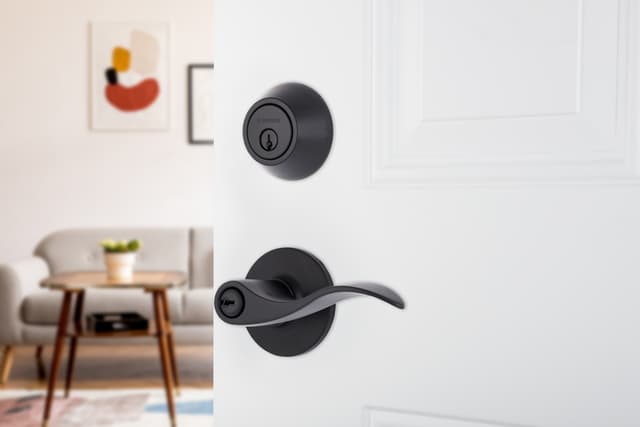
For properties where access is relatively stable, a traditional keyed entry knob or lever can be a practical choice.
These locks use a physical key and don't require batteries or electronic components.
They're a good fit for:
- Long-term rental properties
- Owner-occupied rental units
- Interior access doors
- Utility rooms
- Properties with limited turnover
- Applications where simple operation is preferred
For landlords managing multiple properties, keyed locks can also be rekeyed when necessary, allowing the lock to remain in place while the key changes.
3. Deadbolts: Add a Strong Layer of Door Security
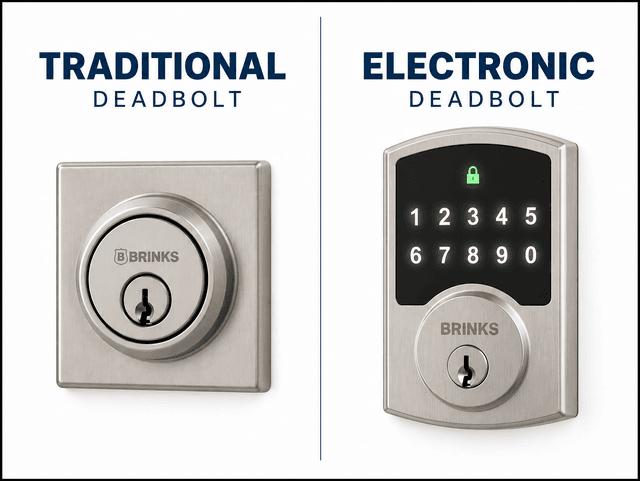
A deadbolt is an important part of residential door security.
Unlike a deadlatch used on many entry knobs and levers, a deadbolt uses a solid locking bolt that extends into the door frame.
For exterior doors, consider using a quality deadbolt in combination with a properly installed keyed entry or keypad lock when appropriate.
When evaluating a deadbolt, look at:
- Construction and materials
- Grade or security rating
- Bolt construction
- Door and frame condition
- Proper installation
- Compatibility with the existing door
A strong lock cannot compensate for a weak door or poorly secured door frame.
4. Security Bars: Protect Vulnerable Doors and Windows
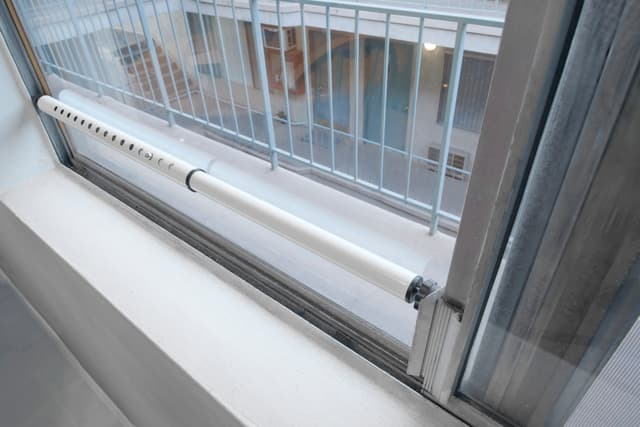
Locks aren't the only way to improve property security.
Door and window security bars can provide an additional physical barrier against forced entry.
They're especially useful when managing:
- Vacant properties
- Properties undergoing renovation
- Basement windows
- Sliding doors
- Secondary entrances
- Ground-level windows
- Properties that will be unoccupied for extended periods
A security bar can help reinforce an entry point beyond the protection provided by its existing lock.
For vacant properties, think beyond the front door. Windows and secondary doors can also represent potential vulnerabilities.
5. Lockboxes: Make Authorized Property Access Easier
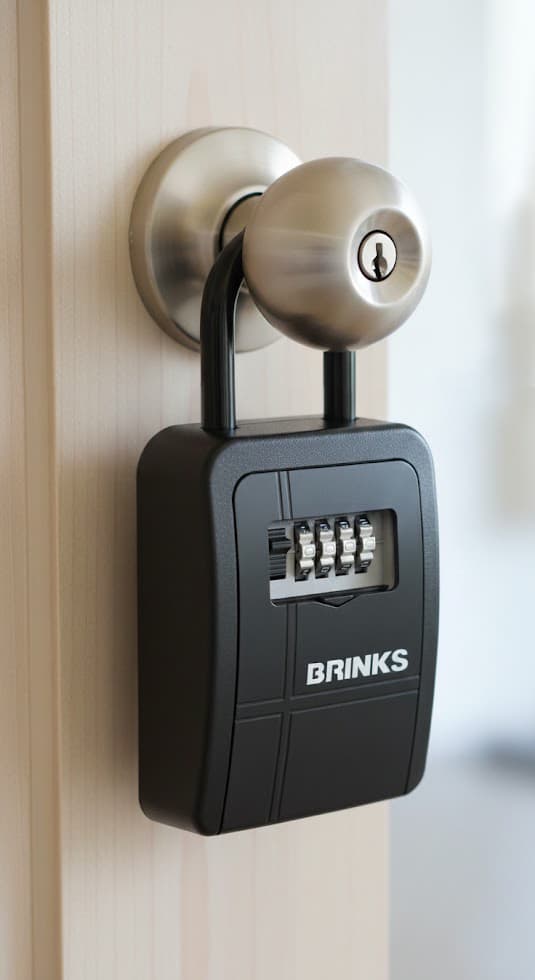
Property managers and real estate professionals frequently need to provide temporary access to a property.
A lockbox can provide a convenient place to store a physical key while limiting access to authorized individuals.
Lockboxes can be useful for:
- Property showings
- Maintenance visits
- Contractor access
- Cleaning crews
- Renovation projects
- Vacant homes
- Properties between tenants
Instead of leaving a key under a doormat or another unsecured location, a properly installed lockbox provides a dedicated, controlled location for authorized access.
Lockbox vs. Keypad Lock
These products solve slightly different problems.
Choose a keypad lock when:
- You want people to enter directly through the door using a code.
- The property has frequent occupants or visitors.
- You want to eliminate physical keys.
Choose a lockbox when:
- Access to physical keys or cards needs to remain available.
- Different contractors or professionals need occasional access.
- The property is vacant.
- You want to keep the existing door lock and key.
For some properties, using both can make sense.
6. Padlocks: Secure Everything Beyond the Front Door
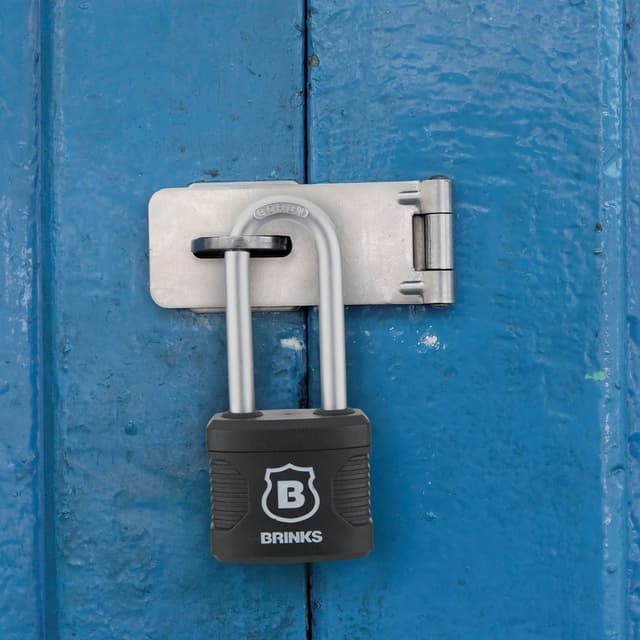
A property may have several areas that aren't protected by the home's primary door locks.
That's where padlocks come in.
Use the appropriate padlock to secure:
- Gates
- Sheds
- Storage units
- Garages
- Tool storage
- Outdoor cabinets
- Equipment
- Fences
- Trailers
The right padlock depends on the value of what's being protected and the level of exposure to weather or potential attack.
For higher-value equipment or areas that require stronger protection, look for a higher-security padlock with features such as a hardened or shielded shackle.
For basic applications, a standard-security padlock may provide appropriate deterrence.
7. Securing a Property Under Renovation
Renovation sites create unique security challenges.
The property may be vacant, but valuable materials, tools, appliances, and equipment may be inside. At the same time, contractors and other authorized workers may need regular access.
Consider securing the property in layers.
- Entry doors
- Use a durable deadbolt or keypad lock depending on how access will be managed.
- Secondary doors
- Don't overlook garage doors, side doors, basement entrances, or other less frequently used access points.
- Gates
- Use an appropriate padlock to secure access to the property.
- Tools and equipment
- Use high-security padlocks on tool storage, sheds, trailers, or storage areas containing valuable equipment.
- Temporary access
- A lockbox can provide contractors or other authorized personnel with access without leaving a key in an unsecured location.
- Windows
- Consider security bars where appropriate, particularly on vulnerable or easily accessible windows.
8. Securing a Vacant Property
Vacant properties can present a different set of security concerns because there may be no one regularly present to notice unauthorized entry or problems.
Before leaving a property vacant, inspect all potential access points.
- Exterior doors
- Make sure primary and secondary doors have functioning locks and properly secured frames.
- Windows
- Check that windows close and lock securely. Consider additional security measures for vulnerable ground-level windows.
- Garage
- Secure the garage door and any interior door connecting the garage to the home.
- Gates and sheds
- Use appropriate padlocks to secure exterior areas and storage structures.
- Key access
- If contractors, inspectors, or real estate professionals need access, use a secure lockbox rather than leaving a key in an obvious location.
- Regular inspections
- Physical security is only part of vacant-property protection. Regular inspections can help identify signs of attempted entry, damage, or other problems early.
9. Short-Term Rentals: Prioritize Convenience and Access Control
Short-term rental properties often have a higher number of people accessing the property over time.
Guests change frequently. Cleaning crews need access. Maintenance personnel may need to enter. Owners may want access between bookings.
For these properties, a keypad lock can simplify access by eliminating the need to exchange physical keys.
Consider using:
- Keypad lock for the primary entry
- Deadbolt for additional door security where appropriate
- Padlocks for gates, sheds, and outdoor storage
- Lockboxes for backup or service access when needed
- Security bars for appropriate secondary doors or windows
The goal isn't simply to add more locks. It's to create a security system in which each access point has the right type of protection for its purpose.
Think in Layers, Not Just Locks
The most effective property-security strategy doesn't depend on a single product.
Instead, think about the property as a series of access points and security layers.
- Primary entry
- Keypad lock, keyed entry lock, and/or deadbolt
- Secondary entry
- Appropriate keyed lock, deadbolt, or security bar
- Windows
- Secure existing locks and add security bars where appropriate
- Exterior areas
- Padlocks for gates, sheds, and storage
- Authorized temporary access
- Lockbox
This approach helps ensure you're not protecting the front door while overlooking the shed, side gate, garage, or basement window.
Property Manager's Security Checklist
Before turning over a property to a tenant or leaving it vacant, walk through this checklist:
Doors
- Primary entry lock is functioning properly
- Deadbolts engage fully
- Secondary doors are secured
- Door frames and strike plates are in good condition
- Former occupants no longer have unauthorized keys or access codes
Windows
- Windows close and lock properly
- Vulnerable windows have appropriate additional protection
Exterior
- Gates are secured with appropriate padlocks
- Sheds and storage areas are locked
- Outdoor equipment and tools are secured
Access
- Lockbox is secured appropriately, if being used
- Only authorized people have access codes or keys
- Keypad codes are changed when appropriate
- Spare keys are stored securely
Vacant or Renovation Properties
- All entry points have been inspected
- Tools and valuable materials are secured
- Contractors have a controlled method of access
- The property is scheduled for regular inspection
The Bottom Line
Property security isn't one-size-fits-all. The right solution depends on who needs access, how often access changes, what you're protecting, and whether the property is occupied or vacant.
For frequently changing access, keypad locks offer convenience without requiring physical keys. For straightforward, dependable entry, keyed entry knobs, levers, and deadbolts remain proven choices. Lockboxes can provide controlled access to vacant properties and properties under renovation, while padlocks extend security to gates, sheds, storage units, and equipment. Security bars can add another layer of physical protection to vulnerable doors and windows.
By combining the right products for each access point, property managers can create a practical, layered approach to protecting the property—and everything inside and around it.
Brinks helps make that process easier with security solutions designed for the front door, the back door, the gate, the shed, the storage area, and everything in between.